

Blog
August 28, 2020

When patients and their doctors talk about pain relief strategies, one area often gets overlooked: weight management. While working […]
August 28, 2020
Step into any hospital or healthcare institution in the U.S., and there’s a good chance you will find some […]
August 28, 2020

A lot has changed lately in how I work with my patients. The need for social distancing and sheltering […]
August 28, 2020

As the COVID-19 pandemic continues, patients with chronic diseases can find that stay-at-home orders pose added challenges. In many […]
March 21, 2020

With so many questions right now about the dangers of the coronavirus (COVID-19), you might be wondering how chronic […]
March 21, 2020

Have a pain problem and wondering if yoga can help? I understand – not just as a doctor, but […]
March 21, 2020
As my patients can tell you, I’m a big fan of positive thinking. But there are times when an […]
March 21, 2020

The holiday season can be an intense time for many of my patients, with plenty of highs and lows. […]
March 21, 2020

Our approach to pain management largely depends on what’s causing the pain. When it’s a byproduct of an ongoing […]
November 13, 2019
Do you find that you’re more forgetful or fuzzy-headed when you are in pain? Is it harder to concentrate? […]
November 13, 2019

ain that starts in one place doesn’t necessarily stay there. Over time, pain can spread, shift, expand, or radiate, […]
November 13, 2019

When you’re living with ongoing pain, there can be a lot of very good reasons for being upset, frustrated, […]
November 13, 2019

Difficulty sleeping is a common source of frustration that I often hear from patients. While pain often causes insomnia, […]
November 13, 2019

Pain can entirely change our lives. Ongoing pain problems can lead to disabilities like not being able to work, […]
May 5, 2019
When pain is at its worst, we’re tempted to try just about anything to get some relief, including procedures […]
May 5, 2019

As a pain specialist, I’ve learned that one of the most powerful things I can do when I meet […]
May 5, 2019

“Is there hope?” is a question I hear often. One of my patients struggling with a low back injury […]
May 5, 2019
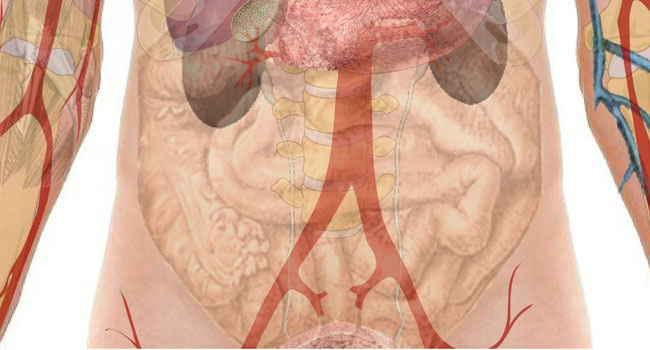
You may have noticed that at any given moment your pain levels can fluctuate based on many different variables, […]
May 5, 2019

Right about now there is a good chance that you have been thinking about ways you might “hit the […]
May 5, 2019

Pain changes us. The minute we start to hurt, we make adaptions to how we move, what we do, […]
May 5, 2019

Pain management is an important consideration when you’re having surgery – not only to minimize discomfort, but also because […]
October 30, 2018

Our experience of pain can have a lot to do with our past – especially when our past includes […]
October 30, 2018

As scientists and physicians race to explore new and more effective strategies to treat pain, many are investigating how technology might play […]
October 30, 2018

If you live with chronic pain, one of the most important things you can do for yourself is to […]
June 16, 2018

When someone is in pain, their whole family is impacted. I was reminded of this truth recently as visitors […]
June 16, 2018

If you’ve been feeling like your doctor visits aren’t doing much to help your low back pain, there’s now […]
April 17, 2018

As pressure to cut back on prescription opioids continues to mount, doctors and patients are feeling the heat. If […]
April 17, 2018

Invisible and misunderstood. If you have fibromyalgia, you’ve probably used these two words at some point to describe your […]
April 17, 2018
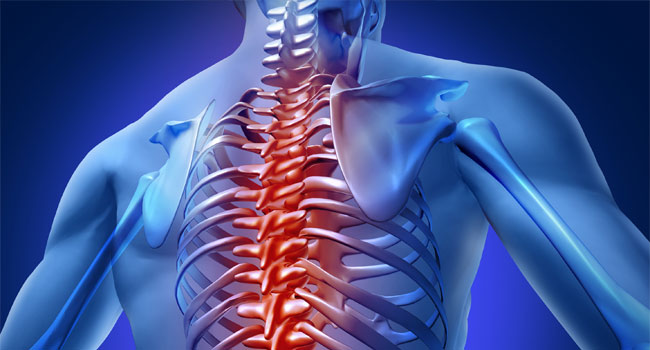
What if I told you that, besides being generally unpleasant (to put it mildly), pain can also be deceiving […]
April 17, 2018

I often hear my pain patients express regret about treatments they chose in the past (“I should have never […]